Raga, tala, riyaz and the Hindustani tradition explained for students: what the terms mean, how a raga unfolds and how to practise. Book your free demo class.
Reading Indian classical music through practice
This collection brings together listening, vocal study, institutions and preparation for music examinations. Those subjects belong together, but they answer different questions. A beginner may need an explanation of what happens in a lesson before reading about an institution or an examination. A listener may want to stay with the sound of a raga rather than immediately turn it into a list of definitions. Use the collection according to the question you have now, not as a course in which every article must be completed in order.
The common thread is the relationship between knowing a term and being able to use it. The lesson pages describe sargam, raga, tala, bandish and daily riyaz. The articles give room to explain those ideas and compare ways of studying them. They do not listen to a student's voice, correct a phrase or replace the work between lessons. Reading becomes useful when a description sends you back to something you can hear or practise, with a clearer question than you had before.
Some guides concern Hindustani music, some discuss Carnatic study, and others compare traditions or examine music education. Keep that distinction visible. A shared interest in Indian classical music does not make all terminology, repertoire or examination routes interchangeable. The links below offer several entrances into the collection so that a learner can choose a route without treating one article as a substitute for every other kind of study.
Six routes into the subject
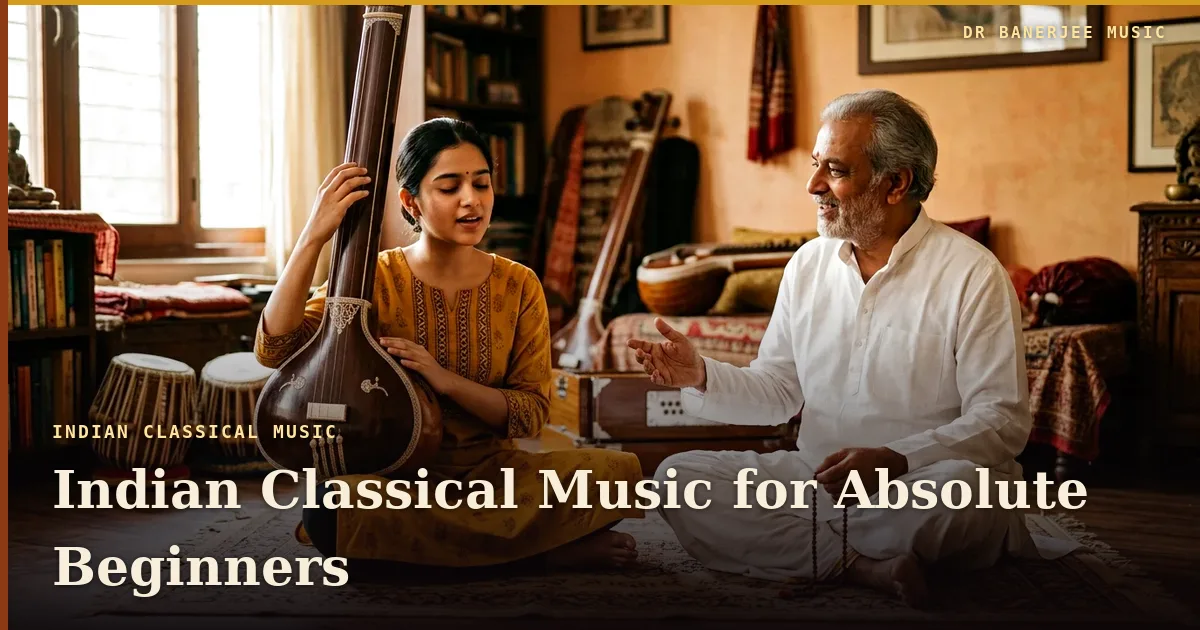
Start with Indian classical music for beginners when your question is about beginning rather than choosing an examination. Use it alongside the lesson descriptions to distinguish an interest in listening from a plan for regular vocal work. The aim is to understand the practice you are considering, not to collect an impressive list of unfamiliar terms before the first conversation.
Read Indian music institutes and research for the institutional side of the subject. This is a different route from a weekly individual lesson. Keep the distinction between learning a skill, researching music and choosing a formal institution clear when you compare the possibilities described in the article.
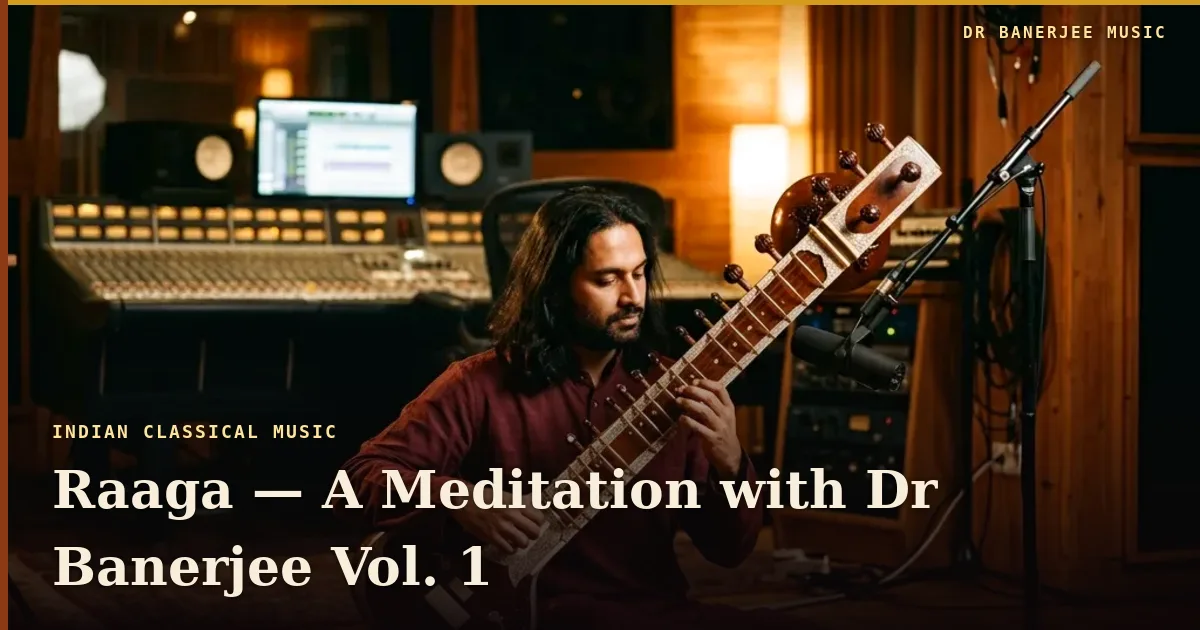
Explore Raaga: A Meditation, volume one as a listening and creative-work entry point. A listening article belongs beside technical study because the terminology points towards sound. It does not turn the release into a prescribed examination text or make a promise about how a listener will respond to the music.
Compare Western music theory and Hindustani terms when familiar words from one system create confusion in the other. Comparison is useful precisely because the systems are not identical. Take one pair of ideas at a time and return to the musical context instead of treating the article as a dictionary of exact substitutions.
Use the UGC NET technical-terms guide for an exam-oriented discussion. This is a study guide, not the same thing as a vocal exercise. A written explanation can help organise revision, while accurate singing and attentive listening remain different tasks with their own practice requirements.
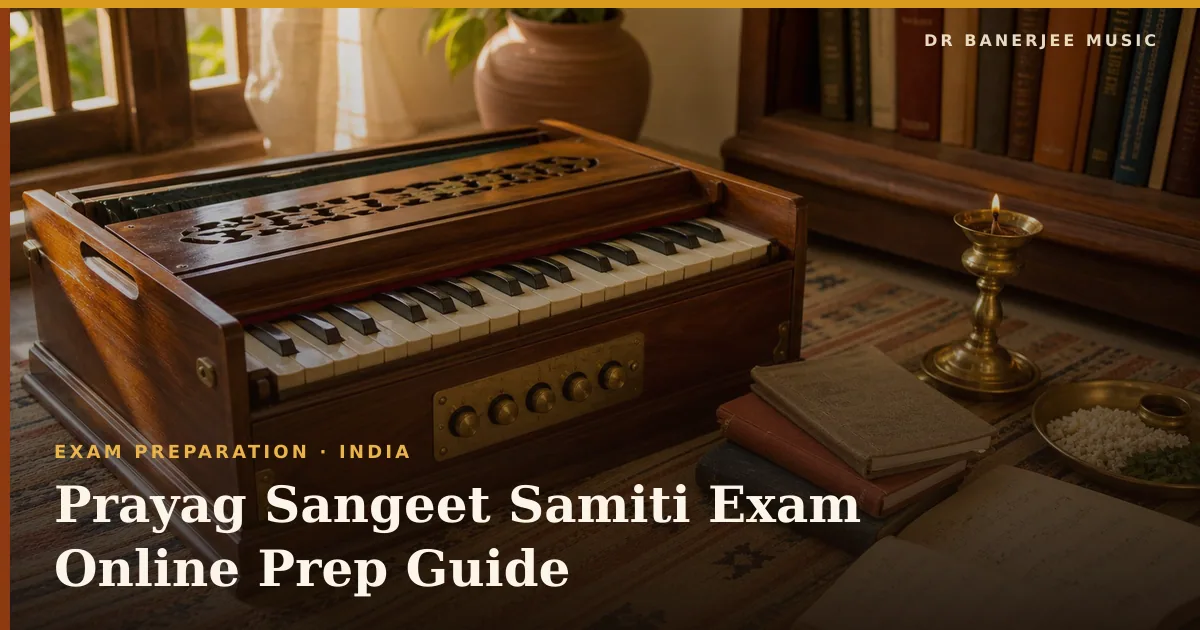
Read the Prayag Sangeet Samiti preparation guide if your interest is a structured examination route. Preparation and assessment are separate: the teacher helps with study, while the relevant body sets and conducts its examination. Check the current requirements with the examining body rather than using a general reading collection as an application document.
Connecting an article to a lesson
If the question is about your own voice, the Hindustani vocal classes page explains the live format. If it is about playing under a voice, the harmonium page describes accompaniment and bellows work. These are practical next steps, not alternative names for the same course. Describe the music you want to work on and the difficulty you hear in your present attempt so the enquiry can stay specific.
For readers considering online study, why raga apps fail examines the difference between a tool and a teacher's response. An app can provide something to work against without making the decisions a teacher makes after hearing a student. Read that argument alongside the lesson format rather than treating all digital tools as either a complete solution or something that must be avoided.
The collection is not a promise of a qualification or a timetable for mastery. Keep notes on the questions an article raises, choose the one most relevant to your current work, and discuss it during a lesson. Returning to a specific phrase with a clearer understanding is more useful than moving through several unrelated guides simply to finish a reading list.
A classroom, a chalkboard of swars, and a syllabus that decides what a student may learn in a year.
Indian music institutes train students for examinations, not inquiry. What the syllabus asks, what the history paper repeats, and what research-led teaching would look like.
Clear guide to online Hindustani Carnatic classes monthly fee India in INR: published platform examples vs independent gurus, 1:1 vs group plans, and checks.
How to start learning Indian classical music: swaras, alankars and riyaz, the path from first patterns to a khayal, and the vocabulary a beginner will hear.
Book your free demo class on WhatsApp, call +91-62800-75157, or email drbnrj@gmail.com. Physical classes begin after one studio visit; online plans start with the free 15–30-minute demo class, where days, timings, syllabus and progression are agreed.
Add this website to your phone or computer and it opens like an app, loading current lessons, fees and articles when connected. Recently visited pages may be available offline. There is nothing to download from an app store and no separate app to update.
How to add it to your home screen
Android (Chrome): open the ⋮ menu and tap Install app or Add to Home screen.
iPhone and iPad (Safari): open this site in Safari, tap Share (or the browser menu, then Share), choose Add to Home Screen, keep Open as Web App enabled if shown, then tap Add.
Computer (Chrome or Edge): use the install icon in the address bar when offered, or the browser menu’s install option. Availability depends on your browser and device.
In an in-app browser, open this page in Safari or Chrome first. Installation is optional; all lessons and articles also work in your browser. Offline copies may be older, and video, maps and messages need an internet connection.