Dhurandhar 2: Propaganda and Rewritten Reality

Doctorate in World Music, University of Oxford · teaching since 1992. More about the teacher.
Some films tell stories; some interpret history; some simply amplify emotion. Dhurandhar 2: The Revenge belongs to a different category — it reorganises. This is a review and propaganda analysis of how the film works as cinematic statecraft, constructing an uncompromising divide between past administrations and the current government. Read only as an action thriller, it stays at the surface. Its real operation is turning political ideology into a visceral experience, and, as with sound in music, the most powerful effects are the ones the audience never consciously registers.
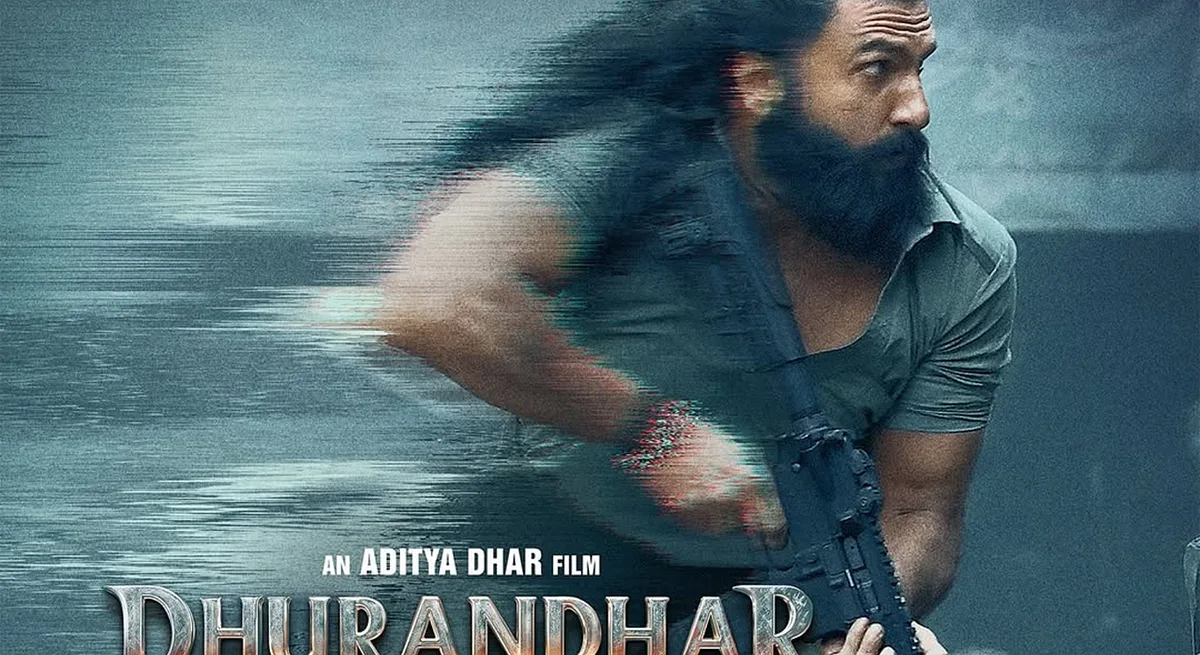
Aditya Dhar's blueprint for cinematic statecraft
Director Aditya Dhar mounts a genuine masterclass in craft, then uses it for overt persuasion. He collapses the geopolitical conflict between India and Pakistan into a primal, civilisational frame, and critics have widely noted how the intelligence and military conflict is staged as a religious dialectic. Faced with accusations of engineering propaganda, Dhar has argued that he merely represents historical facts — that if the government took a decision, he is obliged to show it. That defence ignores the nature of cinematic storytelling: by blurring real footage, intercepts and dramatised fiction, the film builds a reality in which the state is not a political actor but an infallible saviour.

How is the cast used as ideological avatars?
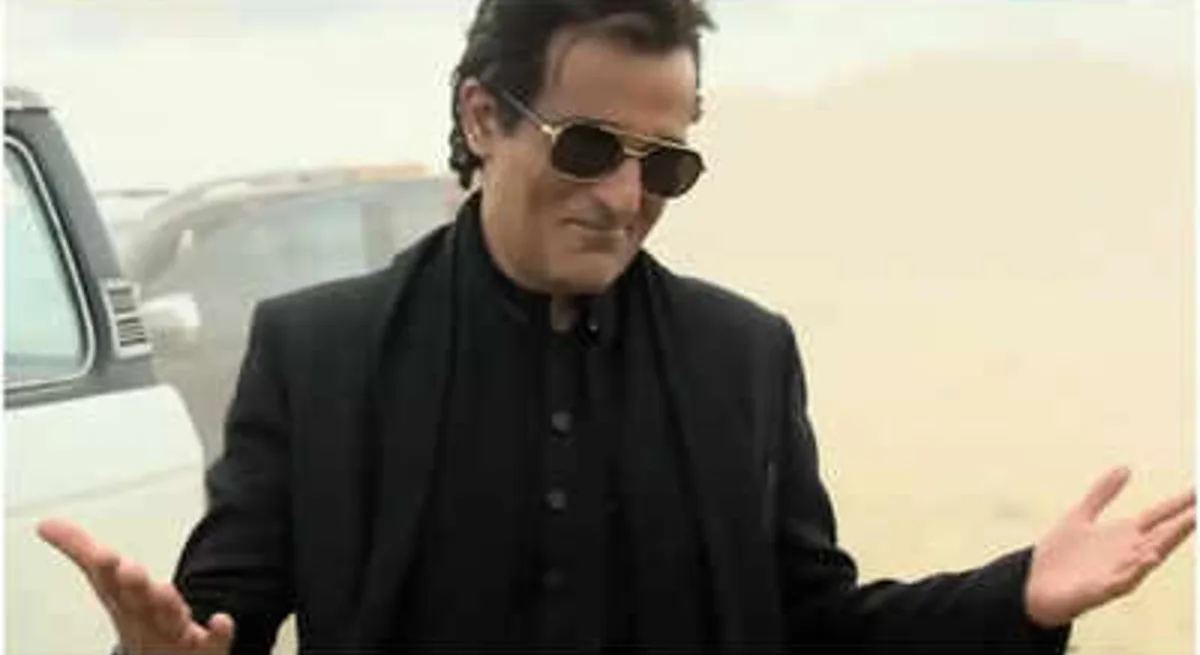
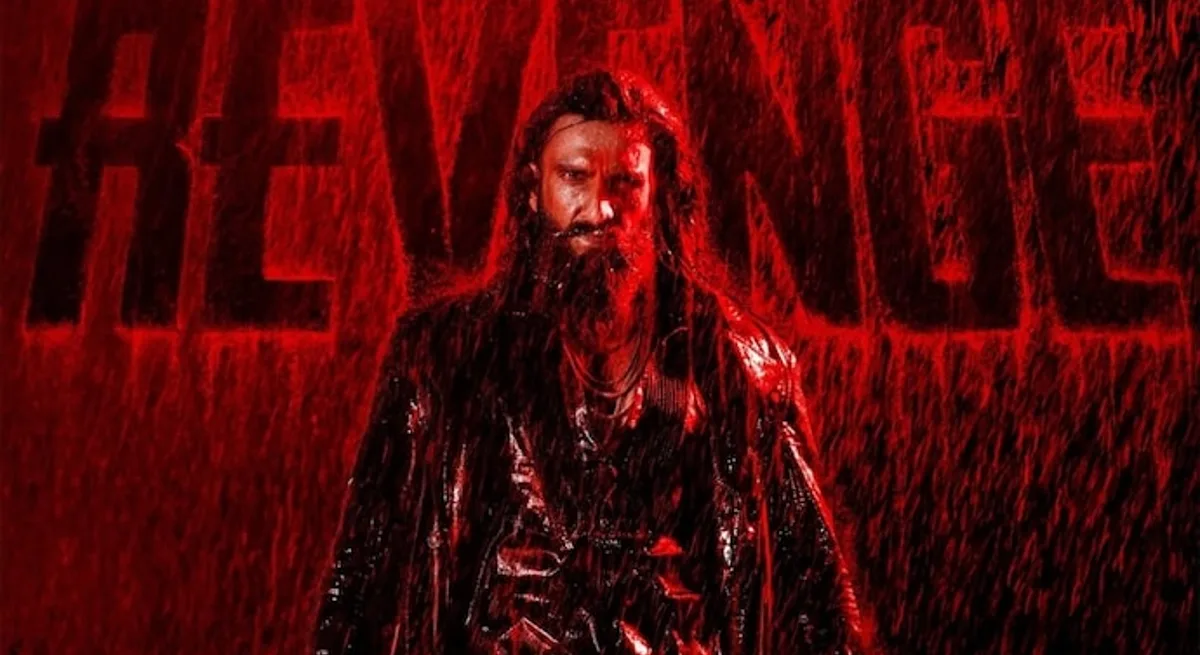
The ensemble functions less as performers than as carriers of a fixed argument. Jaskirat Singh Rangi, played with visceral intensity by Ranveer Singh, anchors the film; his transition into the deep-cover operative Hamza Ali Mazari is staged as an internal erasure of identity. A provocative scene has a terrorist insult a community, immediately answered with lethal violence — shifting the register from secular defence to religious vengeance. R. Madhavan's intelligence chief serves as the audience's surrogate for frustration with pre-2014 governments, while Arjun Rampal's ISI officer is written with deliberate rigidity, his dialogue resembling political rhetoric. The suggestion that earlier governments were easier to manipulate reads as signalling rather than narrative necessity.
Why does the craft make the message harder to see?
Because the technical execution is a Trojan horse. The cinematography avoids glossy aesthetics for a restrained, high-contrast, desaturated palette, lending a false documentary verisimilitude that primes viewers to accept fiction as truth. As I often note in the study of music, sound is never passive: the score repurposes nostalgic fragments into motifs of violence and infiltration, a second layer of reinforcement. The editing compounds it, using smash-cuts to link verbal provocation directly to violent retaliation, manufacturing a conditioned response that bypasses reflection. This is exactly why short clips cannot build real understanding — engineered rhythm rewards reaction over thought.
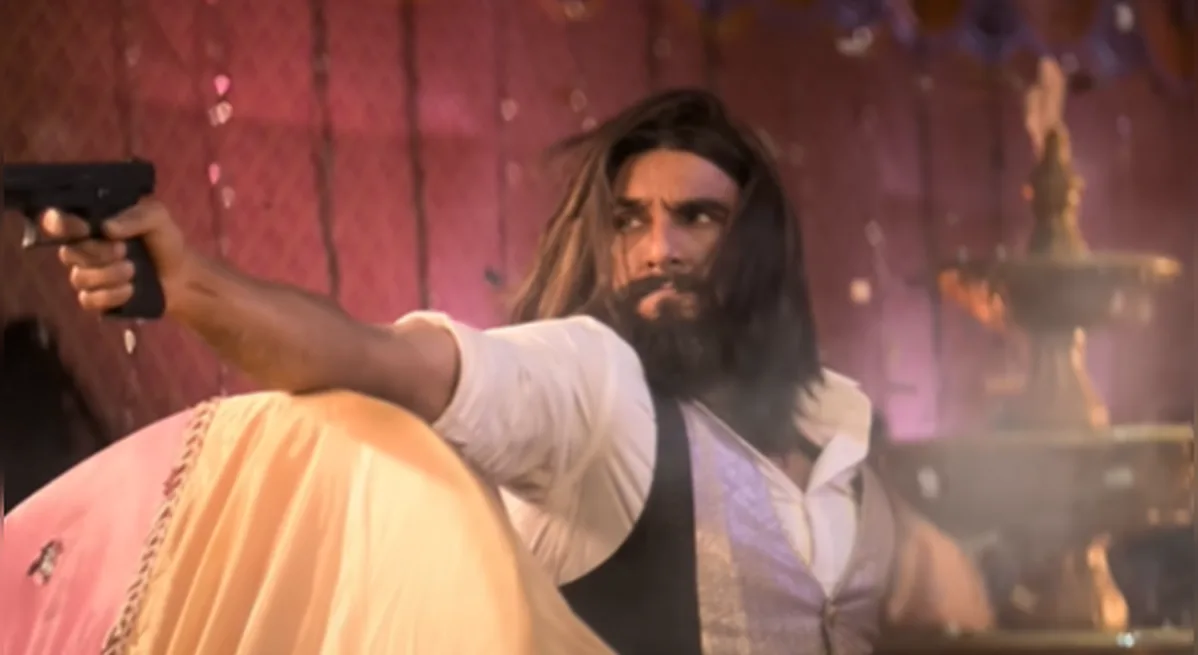
Rewriting history: the demonetisation scene
No moment illustrates the strategy better than the treatment of the 2016 demonetisation policy. In public memory the policy caused disruption and remains economically debated; in the film that ambiguity vanishes. It is reconstructed as a flawless covert masterstroke against counterfeit-currency networks. This is not narrative convenience but ideological correction — a contested decision retroactively stabilised as historically necessary, with real broadcast imagery embedded in fictional success so that dissent collapses into irrelevance. Public hardship is reframed as patriotic participation, suffering elevated into contribution. It is a reminder that emotional persuasion often outruns evidence, a tension I have written about in why music theory matters.
The closed loop
The film marks a shift in how propaganda operates in mainstream cinema: ideology is no longer delivered as explicit messaging but embedded in the structure itself. Performance, cinematography, sound and editing form a closed loop in which narrative, emotion and political alignment reinforce one another. It does not argue; it constructs — and once constructed, it becomes hard to tell where cinema ends and belief begins. The same appetite for feeling over analysis shapes music too, which is why I keep returning to how attention itself has to be trained. This analysis draws on publicly available reviews and reporting from outlets including NDTV, The Independent, Business Standard, Hindustan Times and The Telegraph.
Frequently Asked Questions
What is Dhurandhar 2: The Revenge about?
It is an espionage action thriller directed by Aditya Dhar in which an Indian operative goes deep undercover in Pakistan. This article reads it less as plot and more as cinematic statecraft — a film that reorganises political reality rather than simply narrating a spy story.
Why is Dhurandhar 2 described as propaganda?
Because it uses genuine filmmaking skill to embed a fixed political argument. Documentary-style visuals, a manipulative score and reaction-driven editing frame the current government as an infallible saviour and rewrite contested history, such as demonetisation, into unquestioned success.
Does the article criticise the film's craft?
No. It accepts the craft is exceptional and argues that this is precisely the point. High-quality cinematography, sound and editing act as a delivery system for ideology, making the persuasion effective because it feels grounded, immersive and emotionally true rather than argued.