Akshaye Khanna: Comeback Myth, Consistent Craft

Doctorate in World Music, University of Oxford · teaching since 1992. More about the teacher.
Akshaye Khanna is being praised again for Chhaava and Dhurandhar, and much of the coverage frames it as a resurgence. The framing is kind but inaccurate. His best work predates this acclaim, and the through-line of his career is consistency built on control, intelligence and restraint rather than visibility. What has changed is not the actor but the audience that is finally watching closely. As a teacher who listens to how expression is built — whether in a phrase of music or a held pause on screen — I find his method worth setting down plainly.
Why call it consistency rather than a comeback?
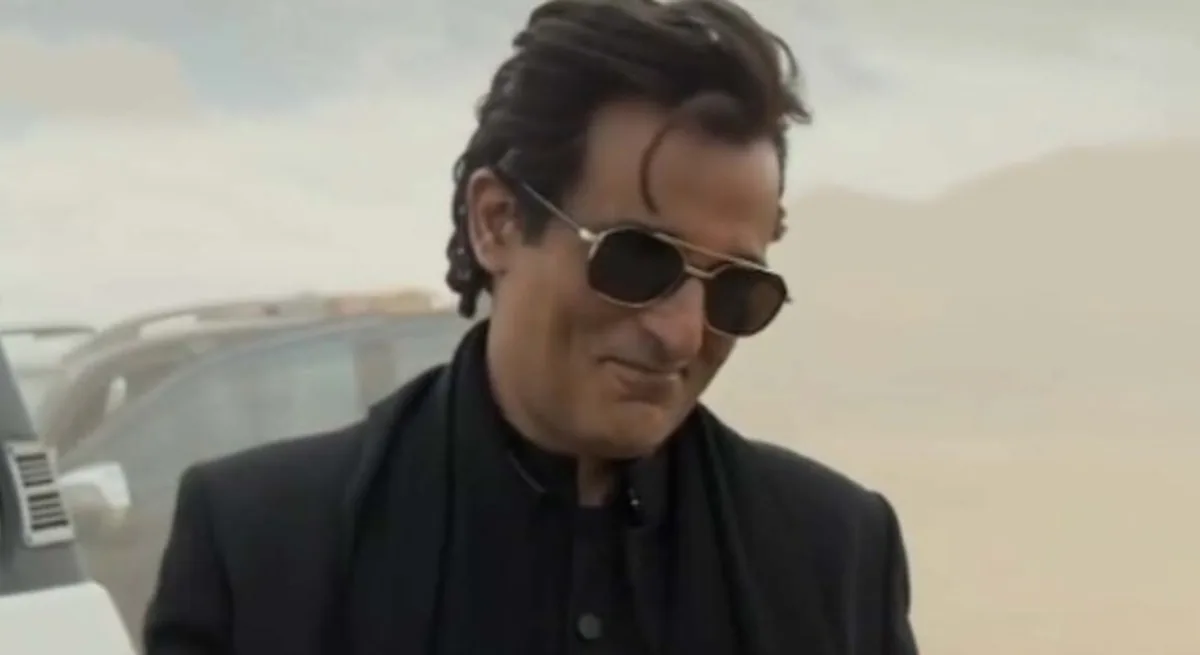
A comeback assumes a fall, and there was none. Khanna kept working across the 2000s and 2010s in roles that asked for interiority rather than spectacle. The recent praise is a correction of attention, not a rise in ability. The same instinct governs good musical training: the discipline that sustains real learning is invisible until someone finally notices the result. His acclaim is a delayed acknowledgement, not a renewal.
Gandhi, My Father: a benchmark of restraint
To see Khanna at his most accomplished, Gandhi, My Father (2007) remains the reference point. His Harilal Gandhi is psychologically layered and deliberately unsentimental — a portrayal of moral weakness that never begs for sympathy. He builds it through silence, posture and calibrated expression rather than dramatics, letting emotional weight emerge from unresolved tension rather than dialogue. It is one of the most disciplined portrayals in modern Hindi cinema precisely because it resists heroic framing and sits with discomfort.
How does his restraint work across genres?
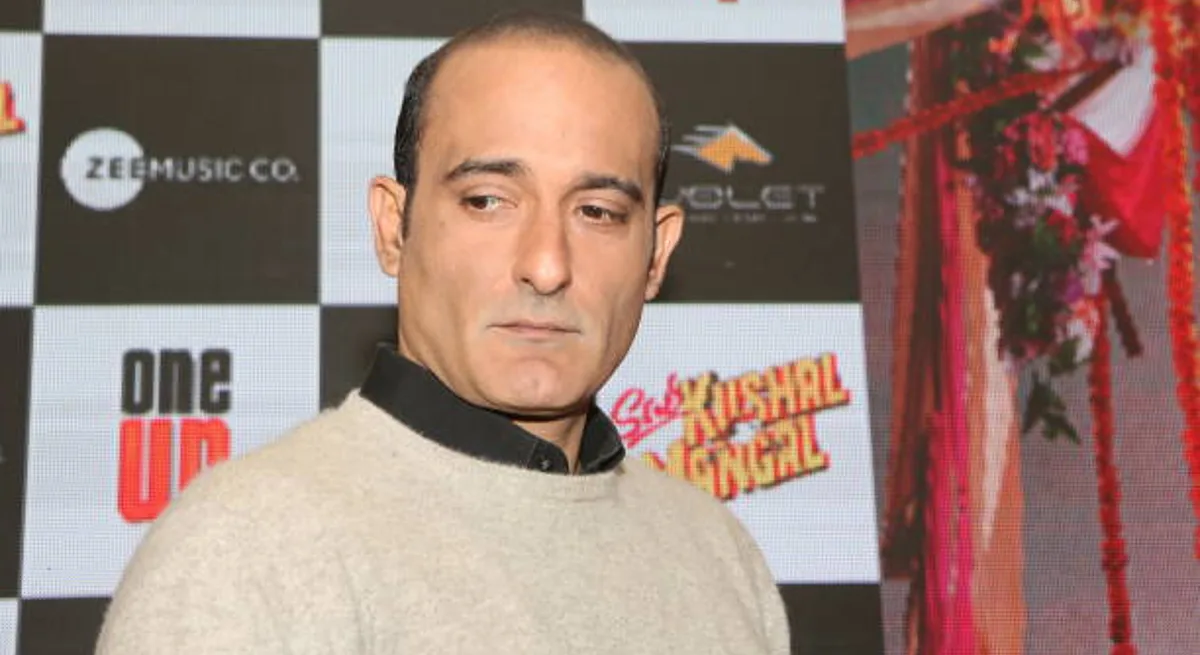
The same craft runs through Dahek, Humraaz, Ittefaaq, Drishyam 2 and The Accidental Prime Minister. Khanna internalises conflict, building performances on listening rather than asserting, on pauses rather than declarations. In Drishyam 2 and Ittefaaq the tension comes from stillness, not volume — acting rooted in psychological credibility. This is close to how a musician learns that a rest can carry more than a run of notes, a point I return to in why music theory matters.
Is his comedy the same discipline?
Yes, and it is easy to miss. In Hungama, Hulchul, Tees Maar Khan, 36 China Town and Mere Baap Pehle Aap, his comic timing is structured, rhythmic and reaction-based rather than exaggerated. Humour here is governed by tempo and control, not noise — confirming that his intelligence holds irrespective of genre.
Chhaava and Dhurandhar in context
Chhaava and Dhurandhar are effective, well-executed performances, but they are also supported by tighter editing, assertive scores and a more receptive audience. They are not obviously deeper than the work he delivered earlier under far more constrained conditions. The shift lies in reception, not achievement — the tempo of appreciation has caught up with an artist who never lacked depth, only spectacle. It is the same reason short-form clips cannot teach a craft: substance is slow to be seen.
Frequently Asked Questions
Is Akshaye Khanna's recent success really a comeback?
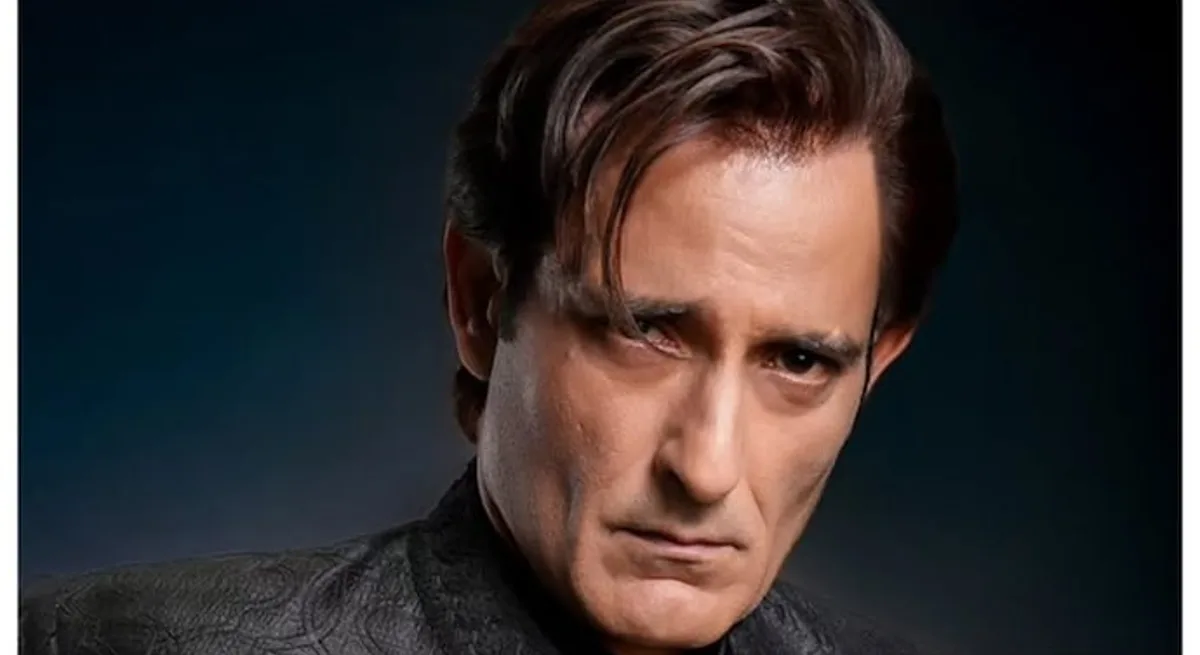
Not in any meaningful sense. He worked steadily through the 2000s and 2010s in demanding roles. The recent acclaim reflects a change in how audiences watch rather than a change in his ability, so "correction of attention" describes it far better than "comeback".
What is Akshaye Khanna's finest performance?
Many critics and this article point to Harilal Gandhi in Gandhi, My Father (2007). The role demanded that he portray moral weakness without seeking sympathy, and he achieved it through silence, posture and restraint rather than overt dramatics, which is rare.
Why do audiences overlook restrained actors?
Popular film discourse often equates prominence with progress, rewarding volume and spectacle over understatement. Performances built on stillness and internalised conflict take longer to register, so actors who favour thought over display are frequently recognised late in their careers.