Ravi Kishan: Craft, Constituency and a Long Career

Doctorate in World Music, University of Oxford · teaching since 1992. More about the teacher.
Ravindra Shyamnarayan Shukla — Ravi Kishan — was born in Bombay on 17 July 1969, the youngest of five siblings, and studied to Class 12 at Rizvi College, Bandra West. The family home is Kerakat in Jaunpur district, Uttar Pradesh, where he lived for about seven years. Those two geographies, Mumbai's film economy and Purvanchal's language, are the actual shape of his career, not a biographical footnote. This is a sourced sketch, not a fan letter: dates, offices and habits below come from Wikipedia and reporting in The Economic Times, The Times of India, The Indian Express, Hindustan Times and India Today.
How did the acting career actually start?
His screen work begins in 1992 with the Hindi film Pitambar, alongside Mithun Chakraborty. The 1990s were supporting-role years; wider attention arrived only with Tere Naam (2003). That is the documented hinge — a decade of work before a Hindi film made the name travel. He then became a leading man in Bhojpuri cinema, whose audience is Purvanchal and its diaspora, and in June 2008 received the Most Popular Actor award at the ETV Bhojpuri Cinema Samman. The Hindi and South Indian work continued in parallel across more than two hundred films in Bhojpuri, Hindi, Telugu and Kannada.
The late acclaim: Laapataa Ladies
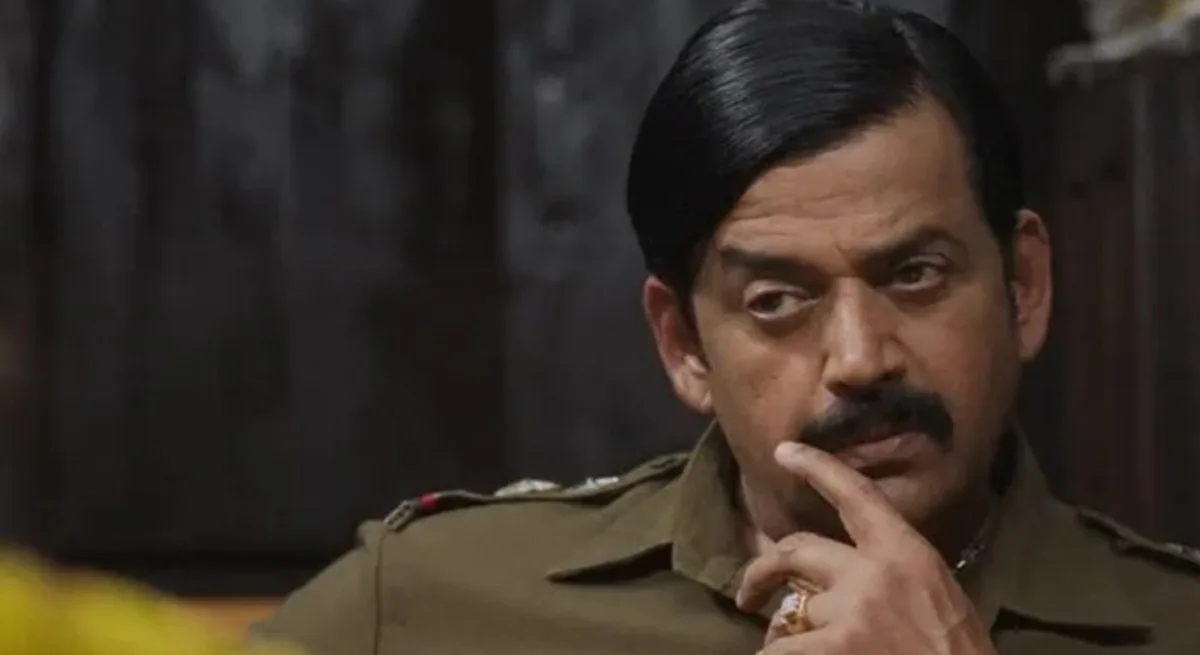
Recognition the craft had been waiting for came with Kiran Rao's Laapataa Ladies (2024), for which he won the Filmfare and IIFA awards for Best Supporting Actor. After the Filmfare he said he had waited thirty-three years for it. The line dates the work honestly: 1992 to 2025 is not a comeback but a long apprenticeship the Hindi award system noticed late. This is a pattern I recognise from teaching — real progress is slow, repeated and easy to overlook until a single visible moment makes it legible.
Parliament and the second screen
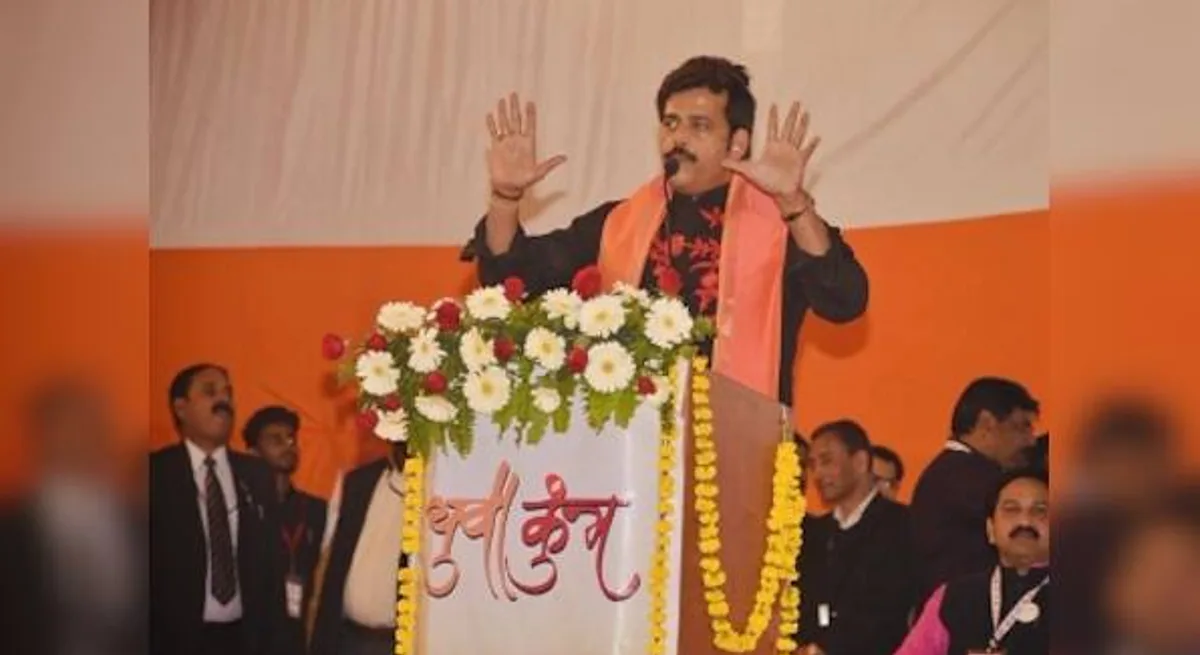
Kishan joined the Bharatiya Janata Party in 2017, won the Gorakhpur Lok Sabha seat in 2019, and was re-elected in 2024. In 2025 he received a Sansad Ratna Award, whose stated criteria are debates, questions asked and private member bills. The point here is not party rhetoric but that a working actor accepted a constituency, stood twice, and was measured by attendance and questions rather than clips. On OTT he added a register for officers, politicians and lawyers — Rangbaaz, Matsya Kaand, Khakee: The Bihar Chapter and Maamla Legal Hai among them — arguing in a 2024 interview that abusive language is not what holds an audience, a professional claim about craft.
What discipline sits behind the work?
Speaking on the Red Ink podcast in August 2026, Kishan described himself as a pure vegetarian who found his nutrition in vegetarian food and raw vegetables, having switched from milk to home-ground fresh coconut milk. He said that before leaving the house he had already done two hundred dand (Indian push-ups) and had added Tai Chi, advising others to exercise, stay positive and run every day. That daily maintenance of the instrument of work is the same principle I teach musicians about regular practice: the body and the ear stay usable only through repetition.
Now in cinemas: Mirzapur: The Movie
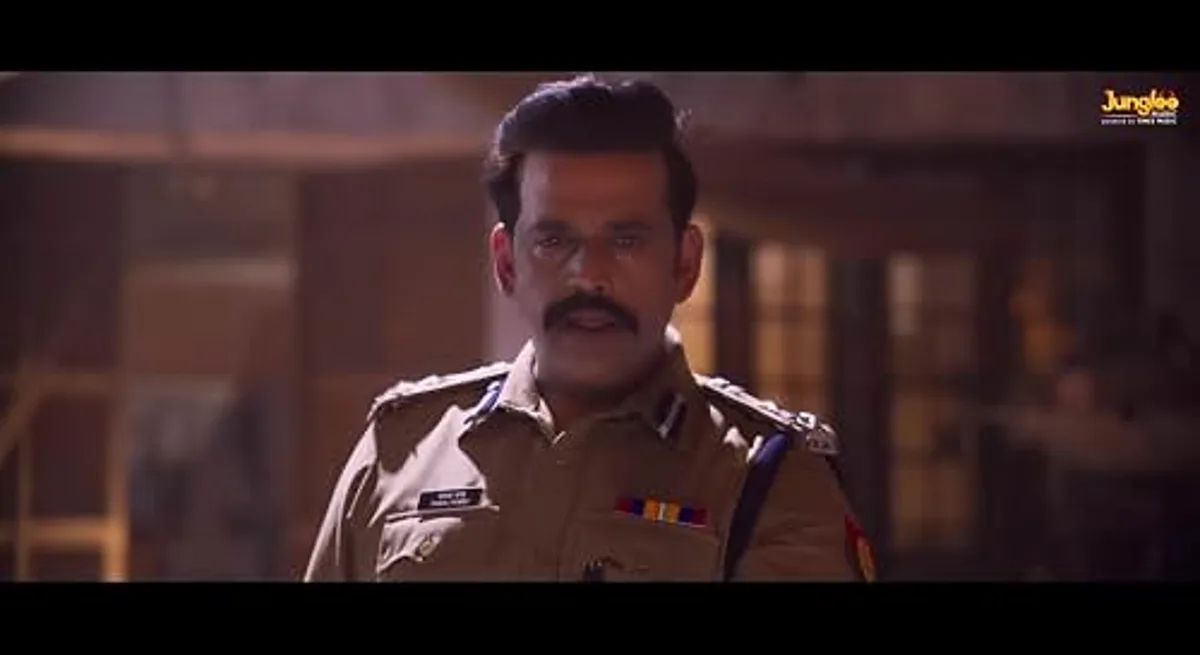
Mirzapur: The Movie, directed by Gurmmeet Singh and produced by Excel Entertainment, is a theatrical prequel to the Prime Video series, released on 4 September 2026 with Kishan as Babban Yadav opposite Pankaj Tripathi, Ali Fazal and Divyenndu. It is the right film for the career described above — Purvanchal speech, a public already trained by three seasons, and a Bhojpuri leading man who no longer has to explain why he belongs in a Hindi crime world. Read in order, his file does not split into actor and MP and father; it reads as one long habit of work under different lights.
Frequently Asked Questions
When did Ravi Kishan start his film career?
He debuted in the 1992 Hindi film Pitambar with Mithun Chakraborty. After a decade of supporting roles he gained wider notice with Tere Naam (2003) and then became a leading man in Bhojpuri cinema, working across more than two hundred films in four languages over the following decades.
What awards has Ravi Kishan won?
He won the Filmfare and IIFA awards for Best Supporting Actor for Kiran Rao's Laapataa Ladies (2024), and a 2025 Sansad Ratna Award for his parliamentary performance, judged on debates, questions asked and private member bills rather than on his film work.
Is Ravi Kishan vegetarian?
Yes. In August 2026 interviews he described himself as a pure vegetarian who takes nutrition from vegetarian food and raw vegetables, and had switched from cow's milk to home-ground fresh coconut milk, alongside a daily routine of Indian push-ups and Tai Chi.